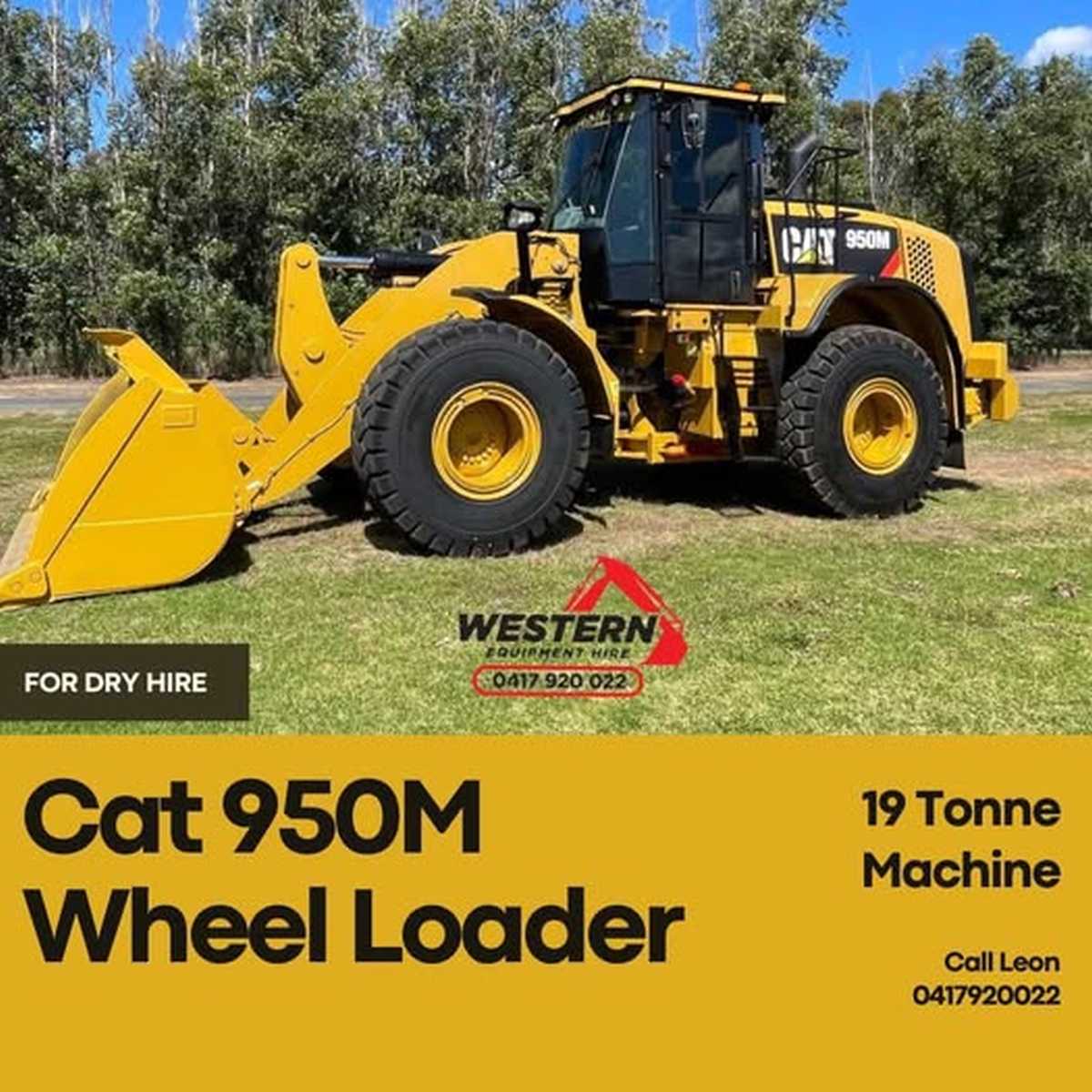
When it comes to heavy earthmoving and material handling across Australian worksites, few machines command as much respect as the Cat 950M Wheel Loader. Built by Caterpillar, one of the world’s most recognised names in construction and mining equipment, the 950M has established itself as a dependable workhorse for industries ranging from quarrying and road construction to large-scale agricultural operations. Its combination of raw power, fuel efficiency, and operator comfort makes it a compelling option for fleet managers, owner-operators, and contractors looking for a machine that delivers day in, day out.
This article offers a comprehensive look at what makes the Caterpillar 950M a standout in the medium-sized wheel loader category. We will explore its engine and drivetrain specifications, hydraulic performance, cabin design, technological features, and real-world applications. Whether you are evaluating a new purchase, considering a used unit, or simply researching your options, this guide aims to give you the detailed, practical insight you need.
Overview of the Cat 950M Wheel Loader and Its Place in the Market
The 950M sits squarely in the medium wheel loader class, a segment that serves an enormous range of tasks in the construction, mining, and infrastructure sectors. Caterpillar designed the 950M to replace and improve upon its predecessor, the 950H, with upgrades focused on fuel economy, emissions compliance, and operator ergonomics. The result is a machine that balances productivity with lower total cost of ownership, a combination that resonates strongly with Australian operators working in demanding conditions.
In Australia, the medium wheel loader market is fiercely competitive. Operators need machines that can handle everything from loading trucks at a quarry to stockpiling aggregate and clearing debris on road construction projects. The 950M meets these demands with a robust design that incorporates Caterpillar’s decades of engineering refinement. Its popularity across rural stations, metropolitan construction sites, and regional mining operations is a testament to its versatility.
For those managing mixed fleets that include prime movers and trailers, the wheel loader is a critical piece of the logistics chain. A reliable loader ensures trucks are filled quickly and accurately, reducing downtime across the entire operation. If you are interested in how heavy vehicles complement loader operations, the Powerstar 6800 Series II Prime Mover Review offers useful insight into a robust prime mover option suited to Australian roads.
Engine Performance and Fuel Efficiency of the Caterpillar 950M
At the heart of the 950M is the Cat C7.1 ACERT engine, a six-cylinder turbocharged diesel unit that delivers approximately 217 horsepower (162 kW) at rated speed. This engine meets Tier 4 Final and Stage V emissions standards, incorporating an advanced aftertreatment system that includes a diesel particulate filter (DPF) and selective catalytic reduction (SCR). For Australian operators, this means compliance with increasingly stringent environmental regulations without sacrificing the grunt needed for heavy loading tasks.
Fuel efficiency is one of the 950M’s strongest selling points. Caterpillar’s proprietary engine management system optimises fuel delivery based on the load demand, which means the machine is not burning unnecessary fuel during lighter tasks. In real-world testing, operators have reported fuel consumption reductions of up to 10 percent compared to the older 950H model, translating to significant savings over the life of the machine.
The engine also features an economy mode that further reduces fuel consumption during tasks that do not require full power, such as light grading or material transport over short distances. This is a practical advantage for operations where fuel costs represent a substantial portion of running expenses. Combined with extended service intervals of up to 500 hours for engine oil changes, the 950M’s operating economics are genuinely competitive in the Australian market.
Drivetrain and Transmission in the Cat 950 Series Loader
The 950M utilises a four-speed countershaft powershift transmission with automatic shifting capabilities. This transmission system is designed to deliver smooth, responsive gear changes under load, which is essential when the machine is working on uneven terrain or cycling rapidly between the stockpile and the truck. The lock-up torque converter in the top gears improves power transfer and reduces heat generation, extending the life of the drivetrain components.
The machine features full-time all-wheel drive with a limited-slip differential on the front axle and an open differential on the rear. This configuration provides excellent traction on loose or muddy surfaces without the tyre wear penalties associated with a locked differential on hard ground. The axles themselves are heavy-duty units designed to handle the significant lateral and vertical forces experienced during aggressive loading operations.
Travel speed is an important consideration for operators who need to move the loader between work zones on the same site. The 950M achieves a maximum forward speed of approximately 40 km/h, which is competitive within its class and allows efficient repositioning without the need for a low-loader transport.
Hydraulic System and Bucket Capacity of the Cat 950 Wheel Loader
The hydraulic system on the 950M is a load-sensing, pressure-compensated design that delivers flow on demand. This means hydraulic power is directed precisely where it is needed, reducing energy waste and heat build-up. The system operates at a maximum pressure of approximately 27,600 kPa (4,000 psi), providing the force required for heavy digging and rapid bucket cycling.
Standard bucket capacities range from 3.0 to 4.2 cubic metres, depending on the configuration and the material density. For general-purpose earthmoving, a 3.5-cubic-metre bucket is typical, while lighter materials such as mulch or grain may allow a larger bucket to be fitted. The Z-bar linkage provides excellent digging force and reach, making it well suited to face loading in quarries and stockpile management.
For operations requiring greater versatility, the 950M can be equipped with a quick coupler that allows rapid attachment changes. This means operators can switch between buckets, forks, and other implements with minimal downtime, a feature that adds genuine value to mixed-use operations. The hydraulic system also supports third-function auxiliary lines for specialised attachments.
If your operation also involves trailers and dollies for transporting materials between sites, choosing equipment rated for heavy-duty work is critical. The guide on Why Tandem Axle Trailquip Dollies Suit Heavy Haulage Fleets explains how well-matched haulage gear improves safety and efficiency.
Operator Cabin and Comfort Features on the 950M Loader
Caterpillar has long been recognised for its attention to operator comfort, and the 950M’s cabin reflects this commitment. The pressurised and sound-suppressed cab provides a quiet working environment, with interior noise levels typically around 72 dB(A). This is a meaningful advantage during long shifts, as excessive noise contributes to fatigue and reduces alertness.
The seat is a fully adjustable, air-suspension unit with integrated heating, designed to absorb shocks and vibrations from rough terrain. The control layout places all primary functions within easy reach, with a steering wheel-mounted transmission switch and a single joystick for loader control. The ergonomic design reduces repetitive strain and allows the operator to maintain a comfortable posture throughout extended work periods.
Visibility is another area where the 950M excels. The cab features large glass panels on all sides, providing an expansive field of view that reduces blind spots. Rear-view cameras are available as standard or optional equipment, depending on the configuration, and the side mirrors are oversized for improved awareness of surrounding traffic and personnel.
Climate control is standard, with a powerful air conditioning and heating system that maintains a comfortable cabin temperature regardless of external conditions. Given the extreme heat experienced across much of Australia during summer, effective climate control is not a luxury but a necessity for maintaining operator productivity and safety.
Technology and Integrated Systems in the Caterpillar 950M Loader
The 950M comes equipped with Caterpillar’s Product Link telematics system, which provides real-time machine data to fleet managers via the VisionLink platform. This system monitors engine hours, fuel consumption, location, diagnostic trouble codes, and maintenance alerts. For operations managing multiple machines across different sites, this level of visibility is invaluable for scheduling maintenance and optimising utilisation.
The on-board weighing system, available as a factory option, allows the operator to measure the payload in the bucket before dumping it into a truck. This feature improves loading accuracy, ensures trucks are loaded to their legal limit, and reduces the risk of overloading, which can result in fines and accelerated wear on the transport vehicle. Accurate payload management is particularly important in quarrying and mining applications where consistent truck loads directly affect haulage efficiency.
The 950M also features an advanced diagnostic system accessible through the in-cab display. Operators and maintenance technicians can view real-time engine parameters, hydraulic pressures, and transmission temperatures, enabling early detection of potential issues before they result in costly breakdowns. This proactive approach to maintenance aligns well with the remote operating conditions common in Australia, where a breakdown can mean extended downtime while waiting for parts and service technicians.
Modern fleet management often extends beyond the loader itself. Ensuring your trailers and support vehicles are purpose-built for Australian conditions can make or break operational efficiency. The article on Why the Freightwest Next Generation Triaxle Is Built for Australian Conditions provides a detailed look at trailers designed to withstand the rigours of outback and regional transport.
Maintenance and Serviceability of the Cat 950 Medium Wheel Loader
One of the practical strengths of the 950M is its ease of maintenance. Caterpillar has designed the machine with ground-level access to daily service points, including the engine oil, coolant, hydraulic fluid, and fuel filters. This reduces the time technicians spend climbing on the machine and improves safety during routine checks.
The engine compartment opens wide with a power-assisted tilting hood, providing unobstructed access to the major engine components. The cooling system uses a side-by-side radiator and aftercooler arrangement, which is easier to clean than a stacked configuration and helps maintain optimal operating temperatures in dusty environments. In Australian conditions, where fine red dust and airborne debris can clog cooling systems rapidly, this design choice is particularly practical.
Extended service intervals are another advantage. Engine oil changes are scheduled at 500 hours, while hydraulic fluid changes can extend to 3,000 hours or more with regular oil analysis. The transmission fluid is designed for a 2,000-hour change interval. These longer intervals reduce the frequency of maintenance stops and lower the overall cost of servicing the machine.
Caterpillar’s dealer network across Australia provides strong parts availability and technical support, though lead times can vary depending on the remoteness of the operation. Many operators choose to keep a stock of common wear parts, such as bucket teeth, cutting edges, and filters, on site to minimise downtime.
Real-World Applications of the Cat 950M Across Australian Industries
The versatility of the 950M makes it a popular choice across a wide range of Australian industries. In quarrying and aggregates, the machine is used for face loading, stockpile management, and truck loading. Its bucket capacity and breakout force are well matched to the demands of loading crushed rock, sand, and gravel.
In the construction sector, the 950M frequently appears on road-building projects, large-scale subdivisions, and commercial developments. Its ability to handle bulk earthmoving, backfilling, and site cleanup makes it a genuinely useful general-purpose machine. For contractors operating in regional and remote areas, the reliability and parts availability of the Caterpillar brand provide additional confidence.
Agricultural operations also benefit from the 950M’s capabilities. Grain handling, silage management, and feedlot operations all require a machine that can move large volumes of material quickly and safely. The 950M’s smooth hydraulics and precise control make it well suited to these tasks, where product damage and spillage need to be minimised.
Mining operations, particularly in the mid-tier gold, iron ore, and coal sectors, use the 950M for stockpile management, ROM pad maintenance, and general site support. The machine’s telematics and payload management systems align well with the reporting and compliance requirements of modern mining operations.
The wheel loader concept itself has a rich history in the development of mechanised earthmoving. For those interested in the broader history of this type of equipment, the Wikipedia page on Loader (equipment) offers a comprehensive background on how these machines evolved into the sophisticated tools we use today.
Buying Considerations for the Cat 950M in Australia
Purchasing a wheel loader is a significant capital decision, and several factors should guide the evaluation process. New units offer the latest technology, full factory warranty, and the peace of mind that comes with a machine that has no prior operating history. However, the capital outlay for a new 950M is substantial, and for many operations, a well-maintained used unit represents a more practical investment.
When evaluating a used 950M, key factors to inspect include engine hours, maintenance records, tyre condition, bucket and linkage wear, and the condition of the hydraulic cylinders and seals. A machine with a complete service history from an authorised workshop is generally a safer purchase than one with incomplete records.
Financing options are available through Caterpillar Financial and various third-party lenders. Lease arrangements can also be attractive for operations that prefer to manage cash flow without tying up capital in depreciating assets. It is worth comparing the total cost of ownership across different financing structures to find the arrangement that best suits your business.
If you are building or expanding a fleet that includes loaders, trucks, and trailers, selecting equipment that works well together is essential. The guide on Why Next Gen Triaxle Dollies Suit Tough Australian Work highlights how modern dolly designs can improve the efficiency and safety of your haulage operations.
Similarly, if your operation requires reliable trailers for moving materials loaded by the 950M, the article on the Best Reasons to Buy a 2012 Vawdrey Triaxle Trailer in Australia is well worth a read for practical purchasing advice.
Comparing the Cat 950M Against Competing Medium Wheel Loaders
The medium wheel loader market in Australia includes strong competition from manufacturers such as Komatsu, Volvo, Liebherr, and John Deere. Each brand brings its own strengths to the table, and the right choice ultimately depends on the specific requirements of the operation.
The Komatsu WA380 is often cited as a direct competitor to the 950M. It offers a similar operating weight and bucket capacity, with Komatsu’s own telematics and fuel efficiency features. The Volvo L120H is another popular alternative, known for its smooth ride, excellent visibility, and strong resale values. Liebherr’s L550 and John Deere’s 644K also compete in this segment, each with loyal followings among Australian operators.
What sets the 950M apart is the depth of Caterpillar’s support network, the integration of its telematics platform with broader fleet management tools, and the machine’s well-documented track record for reliability. Parts availability across Australia is generally excellent for Caterpillar equipment, which is a practical advantage for operations in remote areas where downtime can be particularly costly.
It is also worth considering the resale value of the machine. Caterpillar loaders tend to hold their value well in the Australian used equipment market, which means the total cost of ownership can be lower than a machine with a lower initial purchase price but weaker resale performance.
Safety Features and Compliance Standards on the 950M Loader
Safety is a non-negotiable aspect of any heavy equipment purchase, and the 950M incorporates several features designed to protect the operator and those working around the machine. The ROPS/FOPS-rated cab provides protection against rollover and falling objects, meeting international standards for operator safety.
The machine can be equipped with a rear-view camera, object detection sensors, and additional lighting packages to improve awareness in low-visibility conditions. The secondary steering system provides emergency steering capability in the event of a primary system failure, ensuring the operator can still manoeuvre the machine safely.
Ground-level emergency engine shutoff switches are located on both sides of the machine, allowing bystanders to shut down the engine quickly if an emergency arises. The parking brake is a spring-applied, hydraulically released design that engages automatically if hydraulic pressure is lost, preventing uncontrolled movement on slopes.
For operations subject to Australian workplace health and safety regulations, the 950M’s compliance with relevant standards and the availability of additional safety options make it a straightforward machine to integrate into a safety-conscious fleet. Ensuring all equipment in your operation meets current standards is essential. For broader fleet considerations, the team at Western Truck Sales can provide advice on heavy vehicles and trailers that meet Australian compliance requirements.
Final Thoughts on the Cat 950M Wheel Loader
The Cat 950M Wheel Loader is a machine that has earned its place in the Australian heavy equipment landscape through a combination of reliable performance, thoughtful engineering, and strong manufacturer support. Its C7.1 ACERT engine provides the power and fuel efficiency needed to keep operating costs in check, while the advanced hydraulic system and versatile bucket options make it suitable for a wide range of applications.
Operator comfort, safety features, and integrated telematics elevate the 950M beyond a simple earthmoving tool, positioning it as a strategic asset within a modern fleet. Whether you are loading trucks at a quarry, managing grain at a rural silo, or supporting a road construction project in the outback, the 950M is built to handle the task with minimal fuss.
For Australian operators looking to maximise productivity while managing costs, the 950M deserves serious consideration. Its strong resale values, low fuel consumption, and excellent parts availability make it a sound investment, whether purchased new or as a well-maintained used unit. Paired with the right support vehicles, trailers, and haulage equipment, the 950M can form the backbone of an efficient and profitable operation.
Explore more heavy equipment insights and transport solutions at Western Truck Sales to find the right machinery for your Australian operation.
FAQ
1. What is the bucket capacity of the Cat 950M Wheel Loader?
The Cat 950M offers standard bucket capacities ranging from 3.0 to 4.2 cubic metres, depending on the configuration and material density. A 3.5-cubic-metre bucket is typical for general-purpose earthmoving, while lighter materials like mulch or grain may allow for a larger bucket.
2. How fuel-efficient is the Caterpillar 950M compared to older models?
The 950M delivers up to 10 percent better fuel efficiency compared to the older 950H model, thanks to Caterpillar’s advanced engine management system and an economy mode that reduces fuel consumption during lighter tasks.
3. What engine does the Cat 950M use?
The 950M is powered by the Cat C7.1 ACERT engine, a six-cylinder turbocharged diesel unit producing approximately 217 horsepower (162 kW). It meets Tier 4 Final and Stage V emissions standards.
4. What industries commonly use the Cat 950M in Australia?
The 950M is widely used across quarrying, road construction, large-scale agriculture, mining, and commercial development. Its versatility makes it suitable for truck loading, stockpile management, grain handling, and general site support.
5. What should I look for when buying a used Cat 950M?
Key factors to inspect include engine hours, maintenance records, tyre condition, bucket and linkage wear, and the condition of hydraulic cylinders and seals. A machine with a complete service history from an authorised Caterpillar dealer is generally the safest purchase.